Category: Restaurant

  • How to Choose the Best Restaurant for a Perfect Dining Experience

    How to Choose the Best Restaurant for a Perfect Dining Experience

    Selecting the perfect restaurant involves a careful balance of factors that contribute to a memorable and enjoyable meal. Whether you’re planning a special occasion or simply seeking a delightful meal, here are key considerations to ensure an exceptional dining experience:

    1. Define Your Purpose

    First, consider the purpose of your outing. Are you celebrating a special occasion, having a casual meal with friends, or trying somewhere new for a culinary adventure? Understanding the occasion helps narrow your choices, whether you’re seeking fine dining, a cozy bistro, or an eclectic eatery.

    2. Research the Cuisine

    Explore the type of cuisine you’re in the mood for. From Italian and Japanese to fusion or plant-based options, your choice should reflect your culinary interests and any dietary preferences or restrictions. Research the reputation of the establishment in terms of its cuisine, as well-crafted dishes made from quality ingredients significantly enhance the dining experience.

    3. Evaluate the Ambiance

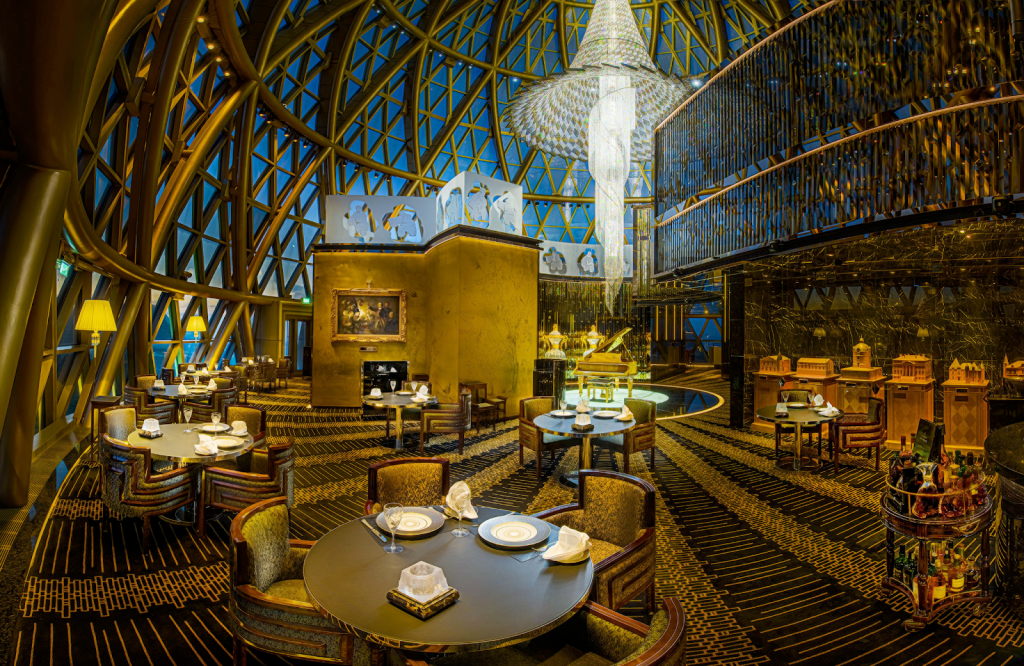
    The atmosphere of a restaurant greatly influences your overall experience. Consider the ambiance you desire—whether it’s lively and vibrant or calm and intimate. Lighting, decor, and music all contribute to the mood. A well-designed space that complements the dining style can elevate your meal from mundane to memorable.

    4. Check Reviews and Recommendations

    Online reviews and recommendations provide insights into the restaurant’s quality, service, and consistency. Look for feedback on food quality, staff attentiveness, and the overall experience. Recommendations from friends, family, or trusted food critics can also guide you to noteworthy establishments that align with your preferences.

    5. Assess Service Quality

    Attentive and knowledgeable staff can significantly enhance your dining experience. Evaluate whether previous diners have commented positively on the service, indicating that staff are accommodating, friendly, and prompt. Excellent service complements well-prepared food, ensuring a seamless and enjoyable meal.

    6. Consider Location and Accessibility

    Choose a conveniently located restaurant that is easily accessible for all members of your dining party. Consider parking availability or public transportation options. Additionally, ensure the venue accommodates any mobility needs with features such as ramps or accessible facilities.

    7. Examine the Menu

    Review the restaurant’s menu online to ensure it offers options that appeal to you and your dining companions. A diverse menu that caters to various tastes and dietary needs indicates consideration for a wide range of patrons. Additionally, check for seasonal or special dishes, which often highlight the chef’s creativity and the freshest ingredients.

    8. Budget Considerations

    While dining out can be an indulgence, it’s important to consider your budget. Many restaurants offer a range of price points, from affordable to extravagant. Ensure that the restaurant you choose provides good value, where excellent food and service justify the expense. Checking the menu prices in advance helps avoid any surprises.

    9. Explore Additional Features

    Certain features can add value to your dining experience, such as outdoor seating, live music, or chef’s tasting menus. Consider whether such features align with your preferences and the nature of your outing. Extras can transform a meal into a unique and memorable occasion.

    Conclusion

    Selecting the best restaurant for a perfect dining experience involves thoughtful consideration of your needs, preferences, and expectations. By defining your purpose, researching the cuisine, assessing the ambiance, and evaluating service quality, you can ensure a satisfying outing. Attention to practical details, like location and budget, complements these considerations. Whether for a special celebration or a simple night out, choosing the right restaurant enhances the enjoyment and creates lasting memories of a perfect culinary experience.

  • Top Restaurant Trends That Are Transforming the Dining Industry

    Top Restaurant Trends That Are Transforming the Dining Industry

    The dining industry continually evolves, driven by changing consumer preferences, technological advancements, and a growing focus on sustainability and health. Here’s a look at the top trends reshaping restaurants today:

    1. Sustainable Practices

    Sustainability is at the forefront of the dining industry. Restaurants are adopting eco-friendly practices like sourcing local and organic ingredients, minimizing food waste, and utilizing renewable energy. Upcycling and nose-to-tail cooking are popular, ensuring every part of an ingredient is used efficiently. Diners are increasingly valuing establishments that prioritize environmental responsibility, making sustainability a critical focus.

    2. Hyper-Local Sourcing

    Hyper-local sourcing is transforming menus, with restaurants growing their own produce or partnering with nearby farms. This practice ensures fresh, seasonal ingredients and supports local economies. It also appeals to consumers seeking authentic, region-specific flavors, and a tangible connection to their food’s origin.

    3. Plant-Based Menus

    The rise of plant-based diets is driving restaurants to innovate with plant-based and vegan offerings. Creative use of ingredients like jackfruit, legumes, and plant-based dairy alternatives allows chefs to craft delicious, meat-free dishes. As awareness of health and environmental benefits grows, plant-based menus are becoming a mainstay rather than a niche.

    4. Technology Integration

    Technology is enhancing efficiency and customer experience. Automated ordering systems, AI-driven recommendations, and digital payments streamline operations and reduce wait times. Moreover, apps and delivery platforms expand the reach of restaurants, catering to customers who prefer dining at home. Innovations like virtual reality dining experiences are also emerging, offering novel ways to engage diners.

    5. Experiential Dining

    Dining is increasingly about the experience rather than just the meal. Restaurants are crafting unique environments and interactive elements, such as open kitchens, chef’s tables, or themed decor, to engage all the senses. This trend emphasizes storytelling and connection, transforming meals into memorable events.

    6. Health-Conscious Options

    Consumers are more health-conscious, seeking meals that balance flavor with nutrition. Restaurants are responding by incorporating superfoods, offering gluten-free or low-carb options, and focusing on clean, whole-food ingredients. This trend is driving creativity in menu creation, making healthy eating both accessible and exciting.

    7. Global and Ethnic Fusion

    The blending of global flavors and techniques is enriching the culinary landscape. Chefs are inspired by diverse cuisines, resulting in fusion dishes that surprise and delight. This trend encourages culinary exploration, with diners eager to experience new taste combinations and cultural influences through innovative menus.

    8. Flexible and Multi-Use Spaces

    Restaurants are reimagining their physical spaces to adapt to various dining needs. Flexible layouts that accommodate casual lunch crowds, formal dinners, and private events are increasingly common. Outdoor seating and patios have also gained popularity, providing additional dining options and expanding capacity.

    9. Zero-Waste Initiatives

    Zero-waste practices are gaining momentum, with restaurants striving to eliminate waste at all stages of operation. From composting food scraps to utilizing eco-friendly packaging, these initiatives reduce environmental impact and align with the values of eco-conscious consumers. Zero-waste cooking inspires creativity, turning by-products into innovative menu components.

    10. Personalization and Customization

    Restaurants are leveraging data and feedback to offer personalized experiences. Diners can customize dishes to their tastes or dietary needs, and loyalty programs provide tailored rewards and offers. This trend fosters customer engagement and loyalty, as patrons appreciate the individual attention.

    Conclusion

    The dining industry is undergoing significant transformation, shaped by trends that emphasize sustainability, technology, and personalized experiences. As restaurants continue to innovate, they cater to evolving consumer demands, prioritizing health, environmental impact, and unique dining experiences. These trends not only redefine the culinary landscape but also set new standards for excellence in hospitality, ensuring that dining out remains an engaging and rewarding experience for all.